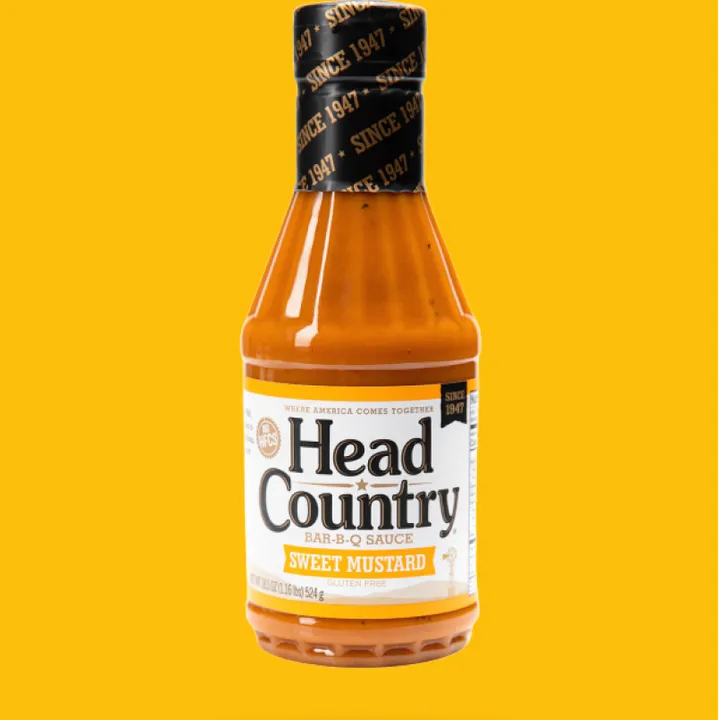
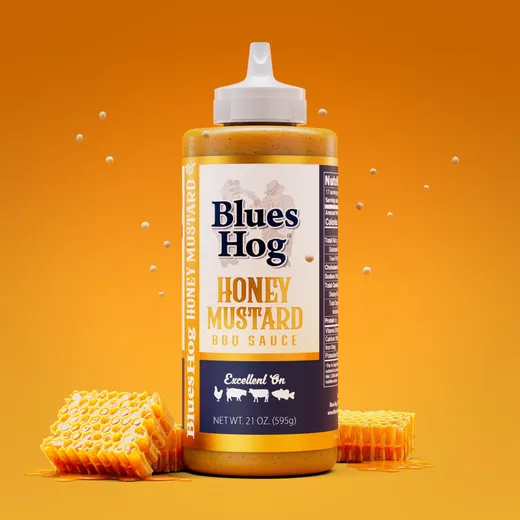
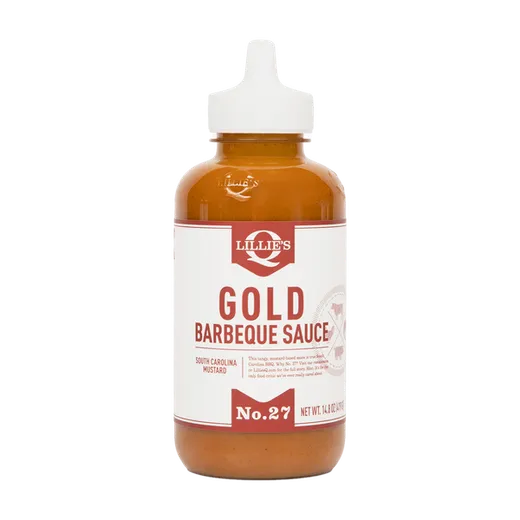
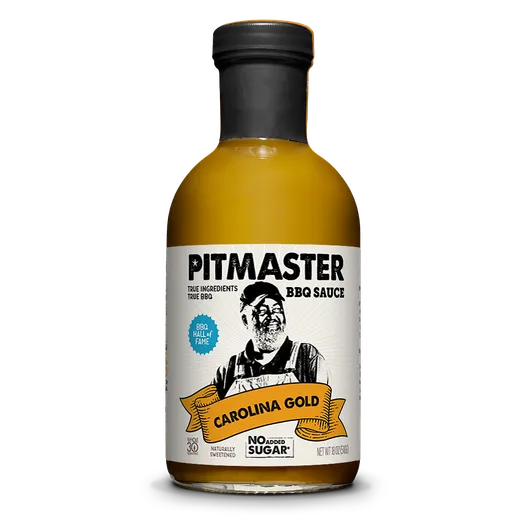
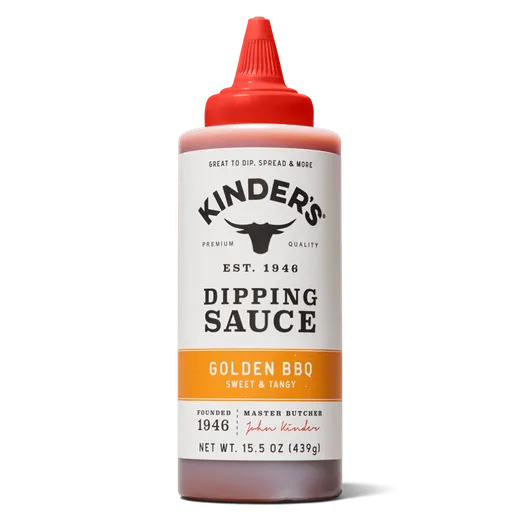
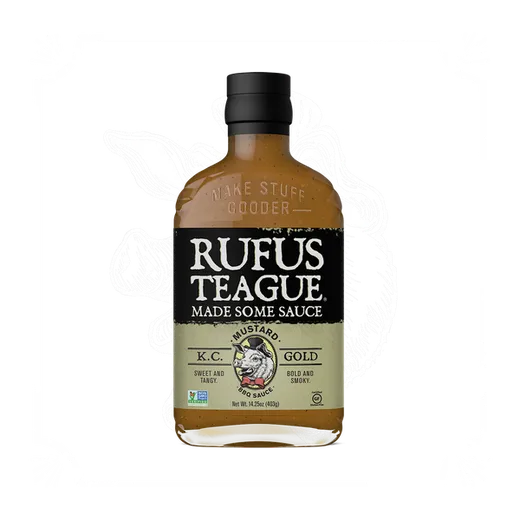
The first time most Americans see Carolina mustard BBQ sauce on pulled pork, they think someone made a mistake. It’s yellow. It’s bright yellow — the kind of yellow you associate with ballpark hot dogs, not slow-smoked pork. South Carolinians keep the secret to themselves for so long that 200 years after German immigrants put mustard on smoked hog, the rest of the country still hasn’t caught up.
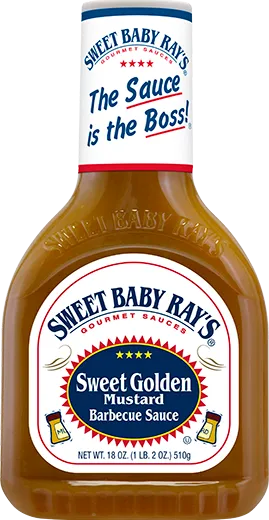
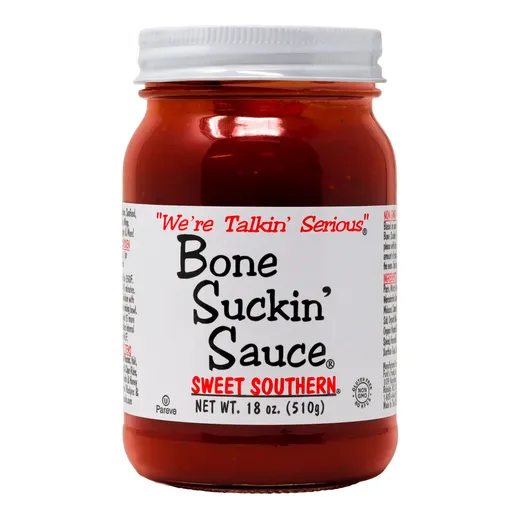
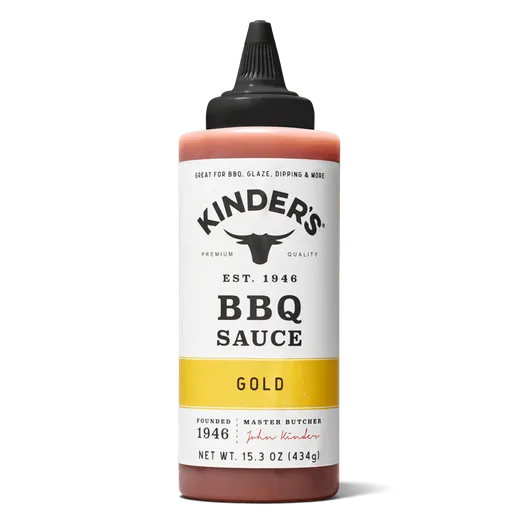
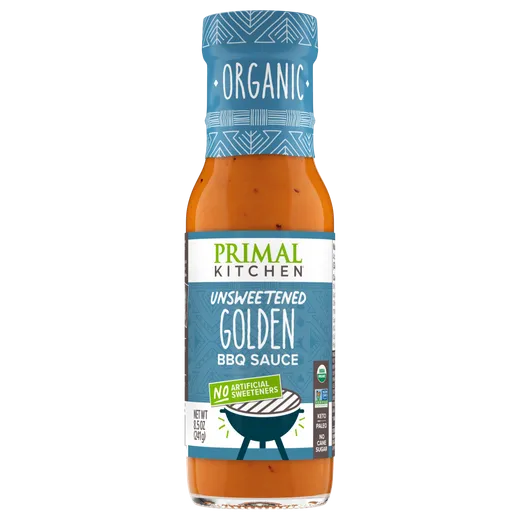
The bottles below are the carolina-mustard style entries in our database, ranked by Bayesian-shrunk web-consensus rating. The supermarket distribution outside South Carolina is thin; most of these you’ll need to order online or find at a specialty grocer.
How we picked
A sauce makes this list when our pipeline classifies its style as carolina-mustard — i.e., yellow mustard is the dominant ingredient, the sauce reads tangy and vinegar-forward rather than sweet, and the bottle markets itself as Carolina, South Carolina, “Gold”, or mustard-style. The style call is not the same as “contains mustard”; many Kansas City sauces include mustard as a background ingredient without being mustard-style.
What the style is, structurally
The defining ingredient profile:
- Yellow mustard as the dominant first ingredient (sometimes second, after vinegar).
- Apple cider vinegar or distilled vinegar for sharpness — the bottle’s acid backbone.
- Brown sugar, honey, or molasses in restrained amounts — usually 30-50% less than a Kansas City sauce.
- Spice: black pepper, cayenne, sometimes Worcestershire or hot sauce. Not heavy.
- Color: yellow to deep amber. Never red.
The Sweetness column on each sauce detail page is the giveaway — Carolina mustard bottles typically score 2 or 3 (where Kansas City scores 4-5). If a bottle markets itself as “Carolina Gold” but scores a 5 on sweetness, somebody compromised the style.
The South Carolina story
The style traces to the wave of German immigration to central South Carolina in the mid-18th century. The Germans brought their mustard tradition; South Carolina had a whole-hog smoking culture going back to enslaved African cooks adapting West African techniques. The two collided in what’s now called the “Mustard Belt”, a corridor running from Columbia southeast through Orangeburg toward Charleston. Maurice Bessinger’s Piggie Park (founded 1953) commercialised it; the style got a national-marketing-friendly rename to “Carolina Gold” in the late 20th century.
The reason Carolina mustard never spread the way Kansas City did is partly geographic — South Carolina has a smaller population than Missouri-Kansas, and the style was concentrated in an even smaller area — and partly that no national brand picked it up and pushed it. KC Masterpiece carried Kansas City into every supermarket in America; nothing equivalent happened for mustard. To this day, walk a grocery aisle in Ohio and you might find one Carolina mustard SKU squeezed between forty Kansas City bottles. If you want this style, you order it.
How to read this list
The bottles vary more within Carolina mustard than within other styles, because the genre never got commodified. Some lean sharper (more vinegar, less sugar); some lean rounder (more honey or brown sugar, less mustard bite). The web-opinion text on each sauce detail page tells you which.
For pulled pork, the sharper end serves the meat better — the vinegar tang cuts pork fat. For chicken or sausage, the rounder end (more sugar) gives you something closer to a honey-mustard glaze. Pick by use case, not by brand name.
What to actually do with this sauce
- Pulled pork — the canonical use. Mix into the meat after pulling, OR dress on the plate after sandwiching. Either way works. Coleslaw on top is the traditional South Carolina build.
- Pork chops or thick-cut bacon — brush during the last few minutes of cooking; the sugar caramelises and the mustard sets a tangy crust.
- Chicken thighs (bone-in, skin-on) — the skin holds the sauce and the dark meat survives the mustard’s acidity.
- Grilled sausage — particularly bratwurst or kielbasa. The German connection is more than historical.
- As a hot dog condiment — try it once. You’ll either love it or be annoyed at yourself for liking it.
Cooking notes
Mustard’s flavor compounds change with heat. Long cooking dulls the sharp top notes and leaves a more rounded, almost-honey-mustard flavor. If you want the bright tangy character, apply Carolina mustard as a finishing sauce rather than a marinade. If you want the rounder version, paint it on during the cook and let the heat do the work.
Final note
The “Carolina Gold” trademark belongs to several different producers (Maurice’s, Carolina Brewery’s bottled version, and others). The detail page on each sauce here links to the brand’s official product page so you can confirm the version we captured against the current label. Formulations occasionally drift toward sweeter-and-thicker as brands chase mainstream taste — check the label if you remember a bottle as sharper than its current iteration.
Frequently asked questions
- What is Carolina mustard BBQ sauce?
- A South Carolina regional BBQ sauce built on yellow mustard, vinegar, and brown sugar — yellow, tangy, and unmistakable on a plate. It's geographically narrow (centred on the "Mustard Belt" running from Columbia to Charleston) and historically tied to South Carolina's 18th-century German immigrants, who brought their mustard tradition to a state that already had a whole-hog smoking culture. Most Americans have never tasted it; in its home state it's the default sauce on pulled pork.
- Is Carolina mustard sauce the same as Carolina Gold?
- "Carolina Gold" is a marketing term used by several brands (most famously Maurice's Piggie Park) for what is essentially Carolina mustard. The name plays on Carolina Gold rice — a heritage long-grain rice variety — but the sauce style predates the branding. If a bottle calls itself "Carolina Gold BBQ sauce", you're getting Carolina mustard. Bottles labelled simply "Mustard BBQ Sauce" or "South Carolina Mustard Sauce" are the same genre.
- Why is Carolina mustard BBQ sauce yellow?
- Yellow mustard is the base, not a secondary flavor. A typical bottle is one-third to one-half prepared yellow mustard by volume, with vinegar (often apple cider), brown sugar or honey, and spice running underneath. The color is the mustard itself — turmeric pigment in the mustard, with no added coloring needed. The first time you see it on pulled pork it looks wrong; the first time you taste it you understand why South Carolinians defend it.
- Why didn't Carolina mustard go national like Kansas City?
- Geography and demographics. The style was concentrated in a small German-descended community in central South Carolina, never had a Henry Perry or Arthur Bryant figure pushing it out of the region, and never got a national brand acquisition like KC Masterpiece's 1986 sale to Clorox. The internet has helped — Maurice's Piggie Park ships nationwide, and craft brands have started carrying the style outside the Carolinas — but in supermarkets outside South Carolina you still have to look for it.
- What goes best with Carolina mustard BBQ sauce?
- Whole hog and pulled pork, in that order. The style was built around South Carolina's whole-hog tradition: a 200-pound pig cooked low and slow until it falls apart, then chopped or pulled and sauced. The mustard's tang cuts through pork fat in a way that Kansas City's sweetness can't. It also works on chicken thighs (skin holds the sauce well), grilled sausage, and — if you want to try something — as a hot dog topping.
- Is Carolina mustard sauce healthier than Kansas City?
- Usually yes, by macros. A typical Carolina mustard bottle carries 4 to 8 grams of sugar per 2-tablespoon serving versus 12 to 16 grams for Kansas City. The base is mustard and vinegar rather than tomato paste and molasses, so total carbs run lower too. Sodium is usually comparable. The detail page on each sauce above shows the actual numbers; don't trust the style assumption, check the label.