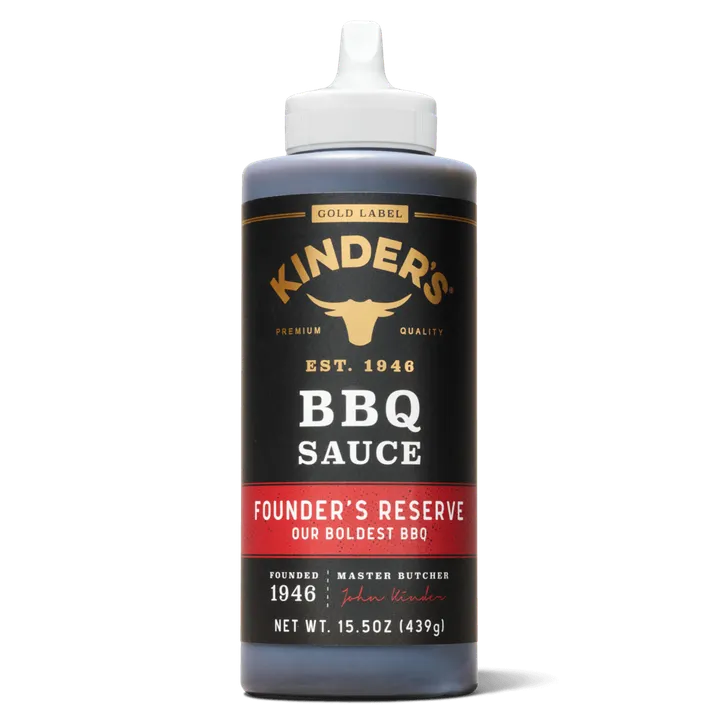
Kinder's
Founder's Reserve BBQ Sauce Gold Label
4.7 (5)4.7/5 across 5 sources — strong consensus.
Web consensus 4.7/5
Heat 2/5
Sweet 4/5
Smoke 2/5
BUYING GUIDE
Thick, sweet, tomato-and-molasses Kansas City BBQ sauces in our database, ranked by web-consensus rating. The bottles that define what most Americans mean by "barbecue sauce".
By BBQ Sauce Scout editors Updated 2026-07-07 How we test
If you grew up eating BBQ sauce in America and never thought about where it came from, you grew up on Kansas City. The style is the sauce most Americans picture: tomato-red, thick enough to spread, sweet enough to taste like the brown-sugar half of dessert, with a hickory smoke that says “barbecue” without you having to ask which kind.
The bottles below all clear our publication gate and our pipeline classified them as kansas-city style. They’re ranked by Bayesian-shrunk web-consensus rating, so well-supported supermarket workhorses appear alongside competition-circuit favorites without small-batch outliers getting an unfair top slot.
A sauce makes this list when its style is kansas-city (assigned by our pipeline based on ingredient profile, brand marketing, and recipe positioning) AND it clears our publication gate. The style call is not arbitrary: it requires a tomato base, a sweetness score of 3 or higher, and either a smoke score of 3+ or explicit hickory/molasses framing on the label. A “BBQ sauce” without those characteristics is something else, even if a Kansas City company makes it.
The four defining attributes, with our scoring conventions:
The Sweetness, Smoke, and Heat columns on each sauce detail page show where it sits in that profile.
The style starts with Henry Perry, who came up from Memphis around 1908 and opened a smoked-meat stand in what was then the city’s “Garment District.” Perry’s sauce was spice-heavy by modern standards; his protege Charlie Bryant softened it, and Charlie’s brother Arthur Bryant — the eponymous restaurant on Brooklyn Avenue — pushed it toward the sweeter, thicker version we know today.
The style went national through two vectors: the Kansas City Barbeque Society (founded 1985) standardised the competition profile, and KC Masterpiece (sold to Clorox in 1986) carried the supermarket version into every American grocery store. By the 1990s “BBQ sauce” effectively meant “Kansas City” in American retail.
A well-built Kansas City sauce has tomato (paste, ketchup, or puree) as the first ingredient, NOT high-fructose corn syrup or water. The cheaper end of the category leads with sweeteners; the better end leads with tomato. Vinegar should be present but not dominant — it’s the acid that brightens the molasses, not the structural backbone.
Molasses (sometimes “dark molasses” or “blackstrap” for premium tiers) gives the sauce its color and depth; bottles using only brown sugar tend to taste flatter. Worcestershire is common as a savory undercurrent. If the label lists smoke flavoring before the spices, the sauce is leaning into smoke; if smoke comes after the spices, it’s a background note.
Three cases where Kansas City is the wrong choice:
Formulations change. The sweetness of KC sauces in particular has crept upward over the last two decades — what was a “sweet” sauce in 2005 is a midpoint sauce today. Confirm the sugar count on the brand’s product page before buying in volume.
Ranked by web popularity: the consensus rating across public reviews, adjusted for how many reviews back it.
Kinder's
4.7/5 across 5 sources — strong consensus.
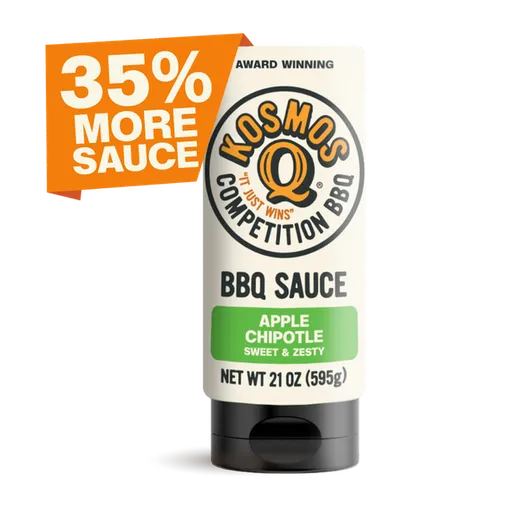
Kosmos Q
4.6/5 across 5 sources — strong consensus.
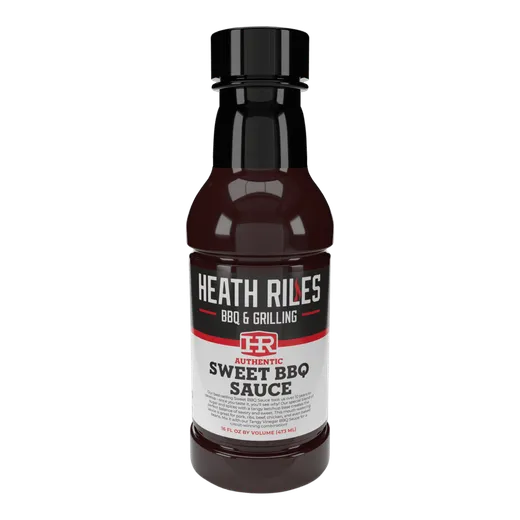
Heath Riles
Best-selling sweet BBQ sauce developed over 10 years with a balanced savory-sweet profile from brown sugar, spices and tangy ketchup base.
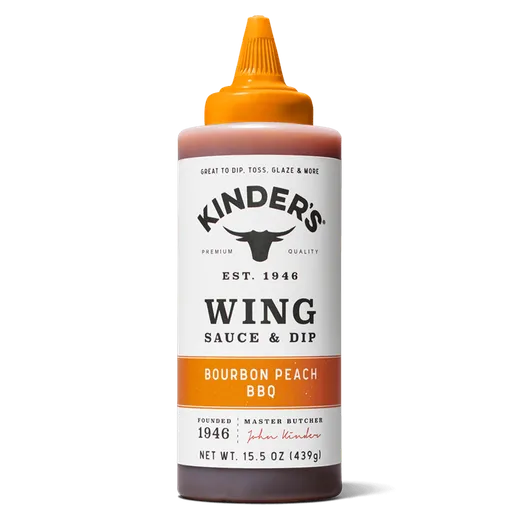
Kinder's
Combines rich brown sugar with the tangy sweetness of ripe peaches and a hint of bourbon.
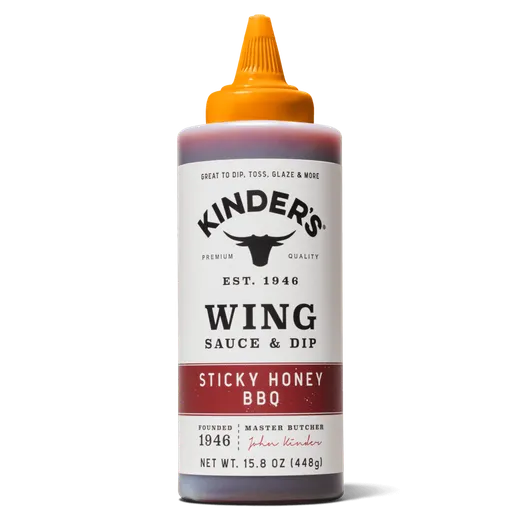
Kinder's
4.7/5 across 5 sources — strong consensus.
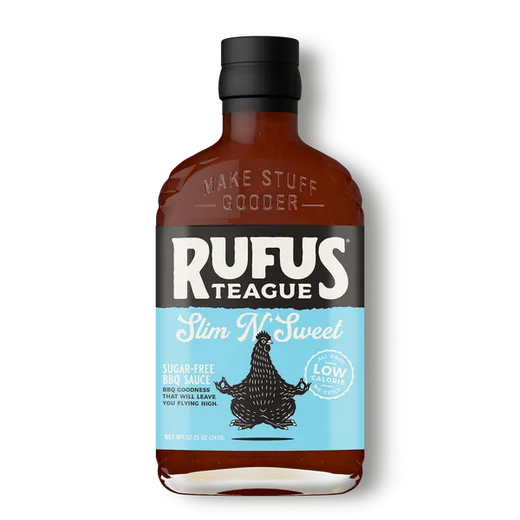
Rufus Teague
Sugar-free Kansas City-style BBQ sauce sweetened with stevia.
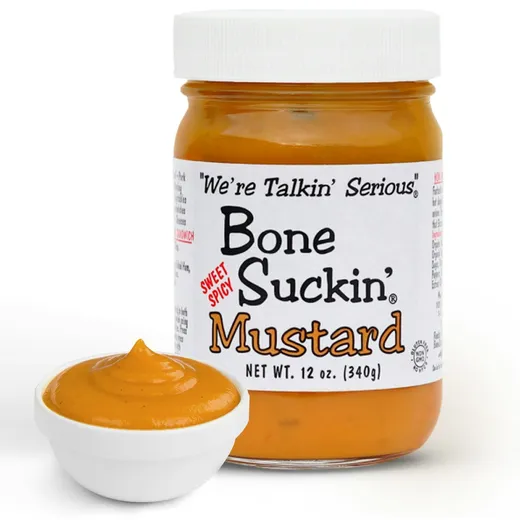
Bone Suckin' Sauce
Bone Suckin'® Sweet Spicy Mustard is a Kansas City–style mustard BBQ sauce and National Champion, combining brown sugar, molasses, and real jalapeño for creamy tangy, medium heat.
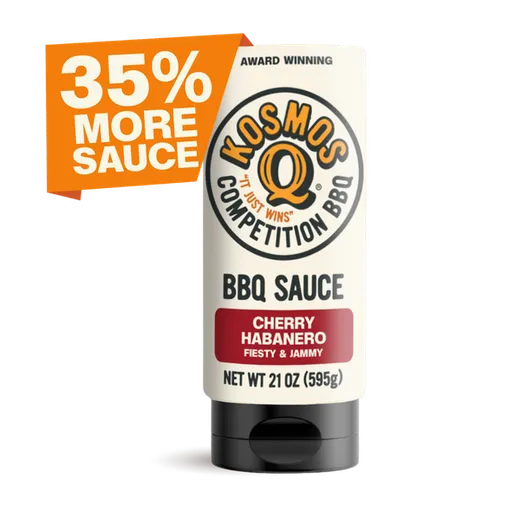
Kosmos Q
Kosmos Q Cherry Habanero BBQ Sauce is a sweet and spicy tomato-based sauce featuring real tart cherries and a mild habanero kick.
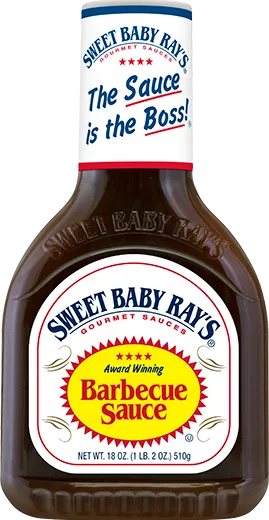
Sweet Baby Ray's
4.5/5 across 6 sources — strong consensus.
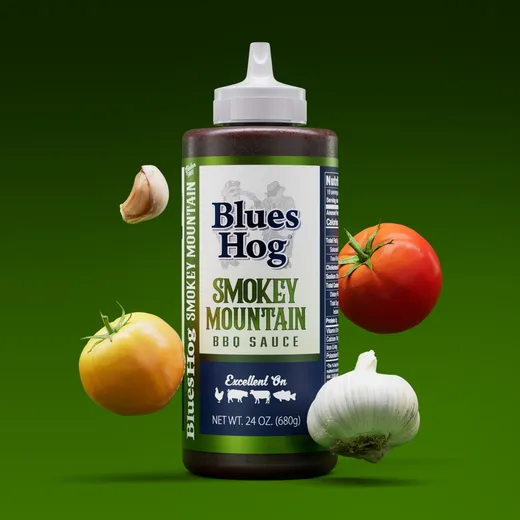
Blues Hog
Smooth and rich hickory-smoked BBQ sauce blending the sweet thick base of Blues Hog Original with natural hickory smoke layers.
| # | Sauce | Style | Heat | Sweet | Sugars (g) |
|---|---|---|---|---|---|
| 1 | Founder's Reserve BBQ Sauce Gold Label | kansas-city | 2/5 | 4/5 | 15 |
| 2 | Sweet Apple Chipotle BBQ Sauce | kansas-city | 2/5 | 4/5 | 20 |
| 3 | Sweet BBQ Sauce | kansas-city | 1/5 | 5/5 | 17 |
| 4 | Bourbon Peach BBQ Wing Sauce & Dip | kansas-city | 2/5 | 4/5 | 6 |
| 5 | Kinder's Sticky Honey BBQ Wing Sauce & Dip | kansas-city | 0/5 | 5/5 | 8 |
| 6 | Slim N' Sweet | kansas-city | 2/5 | 4/5 | 0 |
| 7 | Bone Suckin'® Sweet Spicy Mustard | kansas-city | 2/5 | 4/5 | n/a |
| 8 | Cherry Habanero BBQ Sauce | kansas-city | 2/5 | 4/5 | 24 |
| 9 | Sweet Baby Ray's Original Barbecue Sauce | kansas-city | 2/5 | 4/5 | 17 |
| 10 | Smokey Mountain BBQ Sauce | kansas-city | 2/5 | 4/5 | 13 |